
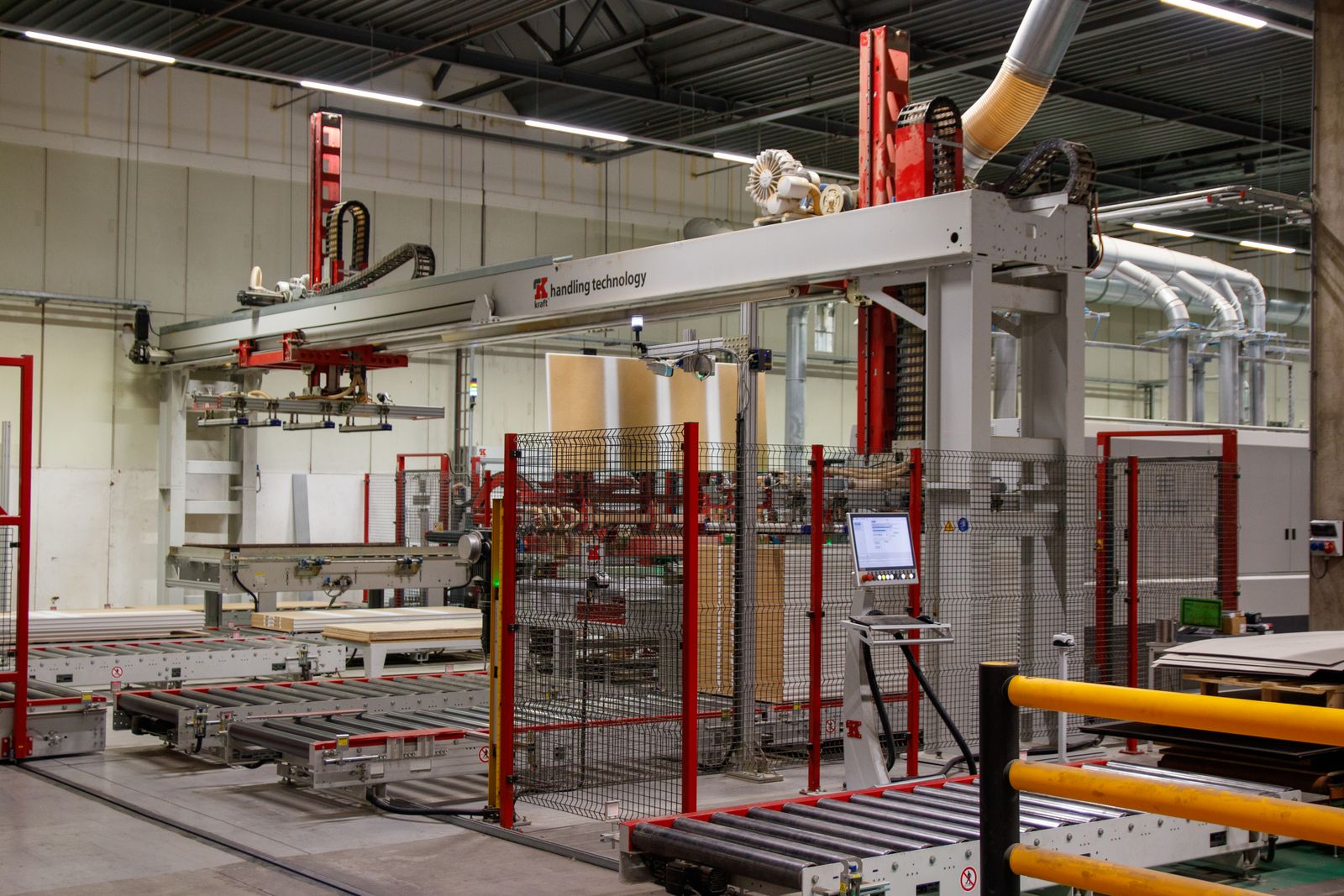
Opportunity area
Manufacturing & engineering
Connected systems for making, moving, and maintaining complex products.
01 Industry context
Understand the
conditions first.
Manufacturing and engineering connect physical assets, production plans, quality evidence, and skilled people. Useful digital systems respect safety requirements and the cost of interrupting real operations.
The group tracks this sector as an opportunity landscape; this description is not a claim of factory deployments or industrial certifications.
02 Sector realities
Design around
what is real.
Industry change has to fit the people, systems, and obligations already in place.
- 01
Digital tools touch physical processes, equipment, quality, and frontline teams.
- 02
Downtime, unsafe actions, and incomplete maintenance histories carry real costs.
- 03
Plant systems often have long lifecycles and demanding integration needs.
03 Opportunity themes
Start with the
real work.
These are opportunity themes for discussion, not a catalogue of services currently offered by Broadorder companies.
Production and quality information flow
↗Equipment service history and visibility
↗Supply and inventory coordination
↗Human-centered operational tools
↗Potential applications
Where a better system
could make a difference.
- Maintenance planning and work orders
- Quality evidence capture
- Production status and exception visibility
- Parts and supplier coordination
04 Evaluating progress
Make progress
visible.
These are example measures organizations may use to evaluate future work. They are not Broadorder results or performance claims.
- 01
Unplanned downtime and time to identify causes.
- 02
Quality evidence completeness across production stages.
- 03
Frontline task completion and adoption.
05 A useful starting point
Better questions
before solutions.
Strong technology decisions begin with people, constraints, and the outcome that needs to improve.
- 01
Where does information move from paper or isolated tools into a decision?
- 02
Which downtime signals can be acted on safely?
- 03
Can frontline teams use a tool in the physical conditions of their work?
Start a conversation